
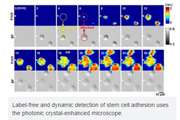
Novel label-free microscopy enables dynamic, high-resolution imaging of cell interactions
Researchers have invented a novel live-cell imaging method that could someday help biologists better understand how stem cells transform into specialized cells and how diseases like cancer spread. The Photonic Crystal Enhanced Microscope (PCEM) is capable of monitoring and quantitatively measuring cell adhesion, a critical process involved cell migration, cell differentiation, cell division, and cell death.
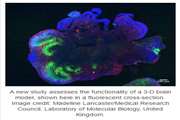
Stem cell 'mini-brain' very similar to real brain, study finds
Building a realistic model of the human brain is a crucial part of understanding brain development, as well as neurological disorders such as Alzheimer's or Parkinson's disease. Using human stem cells, researchers have created a 3-D model of the human brain - and new research investigates how similar it is to a real brain.
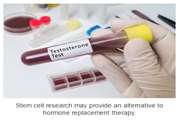
Scientists use stem cells to restore testosterone
Male hypogonadism is a condition affecting almost a third of the elderly male population. The most common treatment option is testosterone replacement therapy, but the practice can have significant side effects. A new development in stem cell research suggests an alternative treatment for hypogonadism may soon become available.
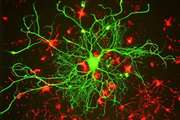
Human neural stem cells in patients with chronic ischaemic stroke (PISCES): a phase 1, first-in-man study
Single intracerebral doses of CTX-DP up to 20 million cells induced no adverse events and were associated with improved neurological function. Our observations support further investigation of CTX-DP in stroke patients.
Bayer Teams Up With Versant Ventures to Develop Stem-Cell Therapies
German pharmaceuticals giant Bayer AG and U.S. health care investor Versant Ventures plan to establish a stem-cell research company, marking the latest effort by a big pharmaceutical company to develop new and innovative drugs by joining with venture capital and biotechnology firms.
Gene therapy for sickle cell disease steps closer
em cells can develop into many different types of cells, such as muscle cells, red blood cells, or neurons. Given their special regenerative ability, stem cells can be used to treat a wide range of diseases. A team of researchers uncovers new details involved in the process of turning stem cells into motor neurons.
Inhibition of mTOR induces a paused pluripotent state
Pausing embryonic stem cells can be induced directly in cultured ES cells and sustained for weeks without appreciable cell death or deviations from cell cycle distributions.
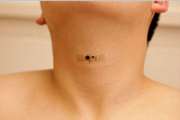
Smart skin patch listens to your body sounds, from heart to gut
The device consists of sensors encased in a flexible silicone shell and flanked on either side by electrodes. It sticks to the skin like a plaster or temporary tattoo and measures just 20 millimetres across.
Failing livers transformed into healthy organs by virus therapy
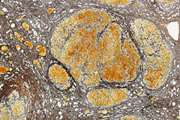
A modified virus can repair diseased livers by turning bad cells into good. The treatment could one day offer a lifeline to thousands of people with liver failure.
Human sperm grown in a lab for the first time, claims study
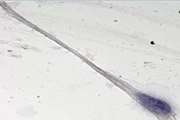
A French team claiming the achievement has moved a stage closer to convincing sceptics by having the work published in a peer-reviewed journal. But some researchers say the evidence offered still falls short of what?s required to make such a large and historic claim.