

Stem cell transplants to be used in treating Crohn's disease
A clinical trial has begun which will use stem cell transplants to grow a new immune system for people with untreatable Crohn's disease -- a painful and chronic intestinal disease which affects at least 115,000 people in the UK

Those with MS Are Cautioned About Unsafe Stem Cell Treatments
People with multiple sclerosis sometimes become desperate and will travel to other countries for experimental stem cell treatments. That?s not always a good idea.
Researchers identify protein essential for making stem cells
The discovery by Stanford scientists drills a peephole into the black box of cellular reprogramming and may lead to new ways to generate induced pluripotent stem cells in the laboratory.

Stem cell mutations linked to hydrocephalus
A new genetic study found another explanation, Yale University researchers report July 5 in the journal Neuron.
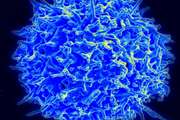
Virus-free CRISPR could mean faster, more precise gene editing for T-cell therapies
A team from the University of California, San Francisco, devised a new electroporation-based CRISPR-Cas9 method, eliminating viruses from the gene editing process and laying the groundwork for safer, more precise and more efficient editing for CAR-T cancer treatments and other cell therapies.
Multiple myeloma: A bold study to make allografting safer and more efficient
In a 10-patient cohort study led by Dr. Jean Roy, hematologist and professor at the Faculty of Medicine of Université de Montréal, that aims to understand how to mitigate the risks associated with the treatment of multiple myeloma, a malignant cancer, researchers have adopted an innovative approach based on the unique immunological properties of umbilical cord blood in an effort to improve the safety and efficiency of allografting, the preferred treatment for this disease.

Cellectis Gets FDA Approval for Third CAR-T Cell Trial
The FDA approved an investigational new drug application from Cellectis for a Phase 1 clinical trial of UCART22, its third gene-edited CAR-T cell candidate.

CRISPR growing in cancer care, but will insurance companies pick up the cost?
Christiana Care has been talking with the U.S. Food & Drug Administration about developing a gene editing tool called CRISPR to assist in lung cancer treatments. One question they?ll face in the future is if insurance companies will pick up the cost.

Million-dollar Kavli prize recognizes scientist scooped on CRISPR
Award? goes to biochemists Virginijus Siksnys, whose lab independently developed the gene-editing tool, Emmanuelle Charpentier and Jennifer Doudna.

The 3rd National Festival and International Congress on Stem Cells and Regenerative Medicine
For more information, you can visit the festival?s website at: stemcellfestival.com