
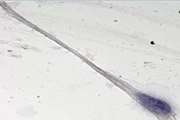
Human sperm grown in a lab for the first time, claims study
A French team claiming the achievement has moved a stage closer to convincing sceptics by having the work published in a peer-reviewed journal. But some researchers say the evidence offered still falls short of what?s required to make such a large and historic claim.
Patients who received a dose of CD19 targeted defined composition engineered T cells after chemotherapy went into complete remission
In a paper published today in Science Translational Medicine, researchers from Fred Hutchinson Cancer Research Center shared data from an early-phase study of patients with advanced non-Hodgkin lymphoma (NHL) who received JCAR014, a Chimeric Antigen Receptor (CAR) T cell treatment, and chemotherapy. CAR T cells are made from a patient?s own immune cells that are then genetically engineered to better identify and kill cancer cells.
Human-pig chimeras and the history of transplanting from animals
Researchers in California have created human-pig chimeric embryos as part of a project to grow human organs for transplantation; while it may make many people uncomfortable, we have been trying to use pigs for parts for nearly 200 years.
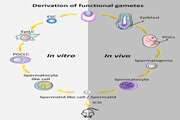
Lab-created sperm breeds healthy mice, raising hopes for end to male infertility
A handful of healthy mice made from sperm cells created in the lab have been hailed as a milestone in research that could ultimately provide new treatments for male infertility.
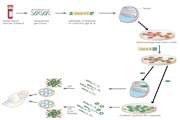
Fertility genes required for sperm stem cells
The underlying cause of male infertility is unknown for 30 percent of cases. In a pair of new studies, researchers have determined that the reproductive homeobox (RHOX) family of transcription factors -- regulatory proteins that activate some genes and inactivate others -- drive the development of stem cells in the testes in mice. The investigators also linked RHOX gene mutations to male infertility in humans.
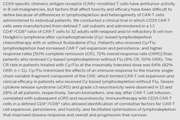
Immunotherapy of non-Hodgkins lymphoma with a defined ratio of CD8+ and CD4+ CD19-specific chimeric antigen receptor modified T cells
Chimeric antigen receptor (CAR)?modified T cells are engineered to recognize specific tumor antigens. They have shown promising results in clinical trials, primarily in leukemia so far, but it has been difficult to predict therapeutic efficacy and toxicity for individual patients. To address this issue, Turtle et al. treated non-Hodgkin?s lymphoma patients with CAR-T cells prepared from strictly defined subsets. By carefully controlling the ratio of CD4 to CD8 T cells, the authors were able to identify some of the treatment characteristics that correlate with therapeutic response and toxicity, including the role of the drug regimen used for lymphodepletion before CAR-T cell treatment.
Transplanted bone marrow-derived cells reduce recurrent miscarriage in mice
In a study focusing on the role of self-donated (autologous) bone marrow-derived endothelial progenitor cells (EPCs) in placental vascular development, researchers in Japan have discovered that when transplanted into pregnant mice, EPCs can contribute to better blood vessel growth that helps in forming "normalized" placental vascularization. This in turns leads to reduced recurrent miscarriages by providing a healthier fetal environment during gestation.
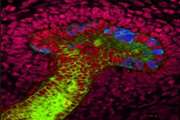
Human kidney progenitors isolated, offering new clues to cell renewal
In a first-of-its-kind look at human kidney development, researchers have isolated human nephron progenitor (NP) cells. Their results will help scientists understand how these progenitor cells become renal cells in the developing fetus, and possibly offer a future way to foster renal regeneration after chronic kidney failure or acute injury.
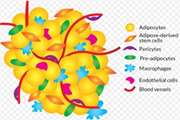
Healthy fat stem cells can protect against obesity-associated type 2 diabetes
Obesity is responsible for the deaths of over three million people a year worldwide due to its associated diseases such as diabetes, cancer and cardiovascular disease. However, a subset of obese individuals seems to be protected from such diseases. Understanding the underlying protective mechanisms in the lower risk individuals could help design novel therapeutic strategies targeting those at higher risk of disease, say researchers.
Asterias Biotherapeutics has revealed positive interim results for a revived study that links back to the original discovery of embryonic stem cells. The study reports increased motor function for all participants in the trial.
One company, Asterias Biotherapeutics, has revived one of the first research studies born from the origins of stem cell therapy in the late 1990s. And according to reports, it is showing a lot of promise