
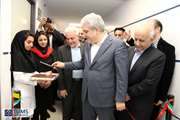
رونمایی از فاز اول مرکز جامع سلول های بنیادی و پزشکی بازساختی دانشگاه علوم پزشکی تهران
رونمایی از فاز اول بزرگ ترین مجتمع سلول های بنیادی و پزشکی بازساختی دانشگاهی
مرحله (فاز) اول مرکز جامع سلول های بنیادی و پزشکی بازساختی دانشگاه علوم پزشکی تهران، با حمایت ستاد سلول های بنیادی معاونت علمی و فناوری ریاست جمهوری طراحی و با حضور جمعی از مسئولان به بهره برداری رسید. مرکز جامع سلول های بنیادی و پزشکی بازساختی دانشگاه علوم پزشکی تهران، دارای ۷ دپارتمان و آزمایشگاه مجهز است و تاکنون ۱۲ هسته فناور و شرکت نوپا و ۵ شتاب دهنده تخصصی در آن مستقر شده اند، این مرکز با تامین زیر ساخت های مورد نیاز اساتید، دانشجویان، هسته های فناور و شرکت های نوپا و جلب مشارکت ۵ نفر از اساتید به نام ایرانی مقیم خارج از کشور، زمینه لازم برای توسعه بیش از ۵۰ محصول فناورانه و تجاری سازی آنها را فراهم کرده است.
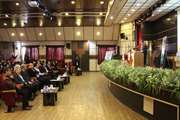
چهارمین سمپوزیوم ایمیون سل تراپی در مرکز طبی کودکان آغاز به کار کرد
چهارمین سمپوزیوم ایمیون سل تراپی با رویکرد مفاهیم، محصولات و سیستم کیفیت در مرکز طبی کودکان آغاز به کار کرد.
به گزارش روابط عمومی بیمارستان مرکز طبی کودکان، این سمپوزیوم روز پنجشنبه 17 بهمن ماه 98 در سالن شماره یک این بیمارستان آغاز به کار کرد. در این برنامه دکتر محمدجواد محسنی و سحر تائبی دبیران اجرایی، دکتر رضا شروین بدو و دکتر مریم بهفر دبیران علمی و دکتر امیرعلی حمیدیه رئیس سمپوزیوم بودند.
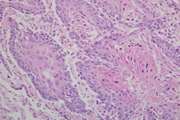
سلول درمانی برای درمان آسیب های ریوی در مطالعات پیش بالینی
پیوند نوع خاصی از سلولهای ریه موشهای سالم به موشهای مبتلا به آنفلوانزا میتواند به ترمیم آسیبهای ریوی آنها کمک کند.
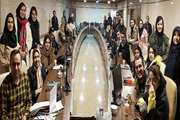
کارگاه یک روزه “نگارش مقاله علمی انگلیسی” برگزار شد.
دور اول کارگاه یک روزه “نگارش مقاله علمی انگلیسی” با تدریس مهندس امیر آیدون، پژوهشگر حوزه مهندسی پزشکی (بافت و بیومتریال)، روز سه شنبه اول بهمن ماه در محل مرکز جامع سلول های بنیادی و پزشکی بازساختی دانشگاه علوم پزشکی تهران برگزار گردید.
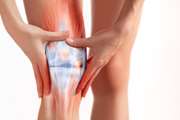
Tendon stem cells could revolutionize injury recovery
Discovery of tendon stem cells could be a game-changer when it comes to treating tendon injuries, avoiding surgery
دانشبنیانهای سلول بنیادی اشتغال را رونق دادند
ستاد توسعه علوم و فناوریهای سلولهای بنیادی معاونت علمی و فناوری ریاست جمهوری، با ترغیب دانشگاهیان و متخصصان به تاسیس شرکتهای دانش بنیان گامهای تاثیرگذاری در این حوزه برداشته است.
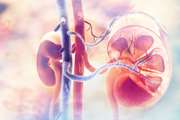
کارآزمایی بالینی استفاده از سلول های CAR-Treg
سازمان تنظیم مقررات خدمات درمانی انگلستان موافقت کرد
فراخوان حمایت از پایاننامههای دکتری
حمایت از پروپوزالهای مصوب پایان نامه های دکتری
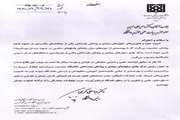
انتصاب دکتر امیرعلی حمیدیه به عنوان رئیس مرکز جامع سلول های بنیادی و پزشکی بازساختی دانشگاه
به گزارش مرکز جامع سلول های بنیادی و پزشکی بازساختی دانشگاه علوم پزشکی تهران، دکتر عباسعلی کریمی رئیس دانشگاه علوم پزشکی تهران، دکتر امیرعلی حمیدیه را به عنوان رئیس مرکز جامع سلول های بنیادی و پزشکی بازساختی دانشگاه منصوب کرد.
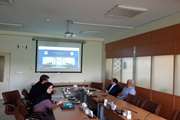
مرکز جامع سلول های بنیادی، ساختار نسل سومی دانشگاه
معاون تحقیقات دانشگاه: مرکز جامع یک باقیات صالحات است