
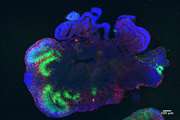
Organoid model systems are taking research to the next dimension
The term organoid first gained use in the mid-1960?s to describe cell aggregates observed during dissociation and re-aggregation experiments in classic developmental biology. Today, the term organoid refers to three-dimensional structures containing multiple organotypic cell types, recapitulating some of
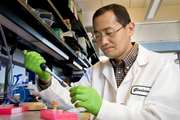
Induced pluripotent stem (iPS) cells from a donor cell bank may open a new paradigm shift in stem cell treatment
Researchers from the Japanese RIKEN Centre have reportedly delivered induced pluripotent stem (iPS) cells from an anonymous donor to a 60 year old male patient. The milestone is understood to represent a world first in the development of stem cell technology, in addition to changing the medical approach to how such treatments may become more widely available than first anticipated. Previous protocols have focused on the delivery of a patient?s own cells using a very different clinical procedure to that which may be envisioned from using a ?democratized? cell bank.
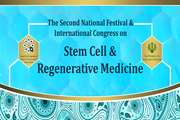
Starting Call for Registration in the Second National Festival and International Congress on Stem Cell and Regenerative Medicine
According to council public relations and international affairs, the second national festival and international congress on stem cell and regenerative medicine will be held on 13-15 July 2017 in I.R.Iran international conference center ( Saran conference hall ).
3D heart created from stem cells, no scaffold involved
A few weeks ago, we reported on the creation of microengineered particle-based cardiac tissue function by functionalizing PLGA microparticles with cardiac cell-extracted growth factors.
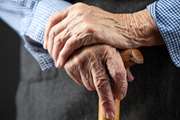
Life expectancy forecast to exceed 90 years in coming decades
Life expectancy will soon exceed 90 years for the first time, scientists have predicted, overturning all the assumptions about human longevity that prevailed at the beginning of the 20th century
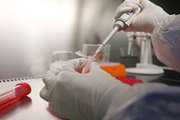
Stem cell treatment could be a proven therapy for diabetes, autism
Stem cell therapy has turned out to be a ray of hope for most patients who are trying to find a cure for incurable diseases. Researchers and experts believe India has been at the top in the development of stem cell treatment followed by several other countries like China and Japan. However, due to lack of awareness, most people don't think of stem cell therapy as an option for treating most of the incurable diseases.
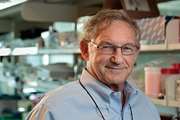
Dr. Larry Corey wins $2.6 million grant to explore using CAR T cells for HIV cure
Dr. Larry Corey has received a $2.6 million grant from Gilead Sciences Inc. to investigate using CAR T cells ? a type of immunotherapy ? to bring about a cure or long-term remission for HIV.
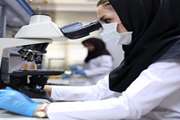
What can Iranian scientists teach the West about stem cell research?
In the past 14 years, Iran has made great strides in stem cell research. And now that Iran is losing its pariah-state status after sanctions were lifted, there are opportunities for collaborations with non-Iranian scientists...
CRISPR gene editing takes on rare immunodeficiency disorder
Researchers have harnessed the CRISPR-Cas9 technology to correct mutations in the blood stem cells of patients with a rare immunodeficiency disorder; the engineered cells successfully engrafted in mice for up to five months.
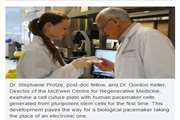
Scientists produce functional heart pacemaker cells
Scientists have developed the first functional pacemaker cells from human stem cells, paving the way for alternate, biological pacemaker therapy.