
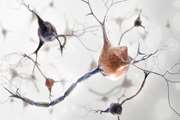
New Company, MAGiQ, Aims to Develop Stem Cell Therapies for ALS and Like Diseases
A new Japanese joint venture company called MAGiQ Therapeutics ? the result of a collaboration between Q Therapeutics and Reprocell ? aims to develop cell and gene therapies for demyelinating and degenerative diseases of the central nervous system.
FDA Approves CAR-T Cell Therapy for Diffuse Large B-Cell Lymphoma
The Food and Drug Administration (FDA) approved Kymriah (tisagenlecleucel) ? a CAR-T cell therapy ? for the treatment of adult patients who have relapsed or refractory diffuse large B-cell lymphoma (DLBCL) who have relapsed or are ineligible for an autologous stem cell transplant (ASCT).
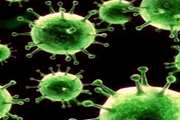
Scientists improve DNA transfer in gene therapy
. By using this method, scientists from the German Primate Center (DPZ) __ Leibniz Institute for Primate Research have discovered a quicker and more efficient treatment for the cells.

$11.6 Million NIH Grant Supports Temple Researchers? Exploration of New Cell-Free Stem Cell-Based Possibilities in Heart Repair
The incidence of heart disease is on the rise, and new therapeutic strategies are needed. Approaches based on stem cells, which can potentially preserve or even regenerate heart muscle cells damaged by ischemia ? a hallmark of heart disease ? are especially promising. Now, thanks to an $11.6-Million Program Project Grant (PPG) from the National Heart, Lung, and Blood Institute (NHLBI) of the National Institutes of Health (NIH) under award number P01HL134608, scientists at the Lewis Katz School of Medicine at Temple University (LKSOM) are poised to explore new possibilities in stem cell-based treatments for heart repair and regeneration.
Cancer ?vaccine? eliminates tumors in mice
Injecting minute amounts of two immune-stimulating agents directly into solid tumors in mice can eliminate all traces of cancer in the animals, including distant, untreated metastases, according to a study by researchers at the Stanford University School of Medicine.
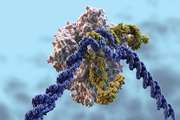
CRISPR is coming to the clinic this year
The first company-sponsored clinical trials of the gene editing system will treat genetic blood diseases
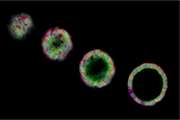
Interrupted reprogramming converts adult cells into high yields of progenitor-like cells
A modified version of iPS methodology, called interrupted reprogramming, allows for a highly controlled, potentially safer, and more cost-effective strategy for generating progenitor-like cells from adult cells.
What?s Next For CAR T: The Potential of Engineering Immune Cells to Treat Cancer
It is not often that an entirely new, effective, class of therapy is discovered, especially in a disease as difficult to treat as cancer. It is even less common that a completely new therapeutic is effective in a large majority of patients right from the start. But chimeric antigen receptor T cell therapy?CAR T-cell therapy? is anything but typical
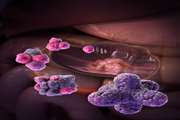
Lab-made ?mini organs? helping doctors treat cystic fibrosis
Els van der Heijden, who has cystic fibrosis, was finding it ever harder to breathe as her lungs filled with thick, sticky mucus. Despite taking more than a dozen pills and inhalers a day, the 53-year-old had to stop working and scale back doing the thing she loved best, horseback riding...

In a Verdict by Dr. Rouhani;Dr. Sattari was appointed as the vice president for science and technology affairs.
Referring to Article 144 of the Constitution, the president of Iran assigned ?Sorena Sattari? as the ?vice president for science and technology affairs? in a verdict.