
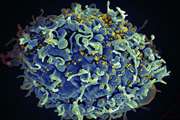
Second patient free of HIV after stem-cell therapy
The breakthrough suggests first case was not a one-off and could pave way for future treatments.

Blood transfusions with iPS cells OK?d by Japanese health ministry
The government has given the green light to using blood transfusions including platelets created from artificially derived stem cells to treat patients with intractable diseases.
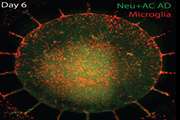
Microfluidic system incorporates neuroinflammation into "Alzheimer's in a dish" model
System fully replicates Alzheimer's pathology, including neural cell death
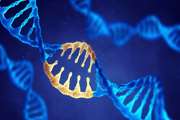
Chinese scientists snip mutant DNA to fix human embryo gene
Researchers report success with technique to replace part of genetic material that causes the inheritable disorder Marfan syndrome
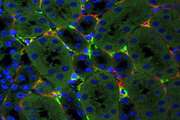
Gene therapy method developed to target damaged kidney cells
Discovery may lead to improved treatment for chronic kidney disease
Researchers discover gene that controls bone-to-fat ratio in bone marrow
In an unexpected discovery, UCLA researchers have found that a gene previously known to control human metabolism also controls the equilibrium of bone and fat in bone marrow as well as how an adult stem cell expresses its final cell type.
Probe illuminates Elusive Cancer Stem Cells in Live Mice
University of Illinois researchers have developed a molecular probe that seeks out these elusive cells and lights them up so they can be identified, tracked and studied not only in cell cultures, but in their native environment: the body.

Stem cell transplants to be used in treating Crohn's disease
A clinical trial has begun which will use stem cell transplants to grow a new immune system for people with untreatable Crohn's disease -- a painful and chronic intestinal disease which affects at least 115,000 people in the UK
Those with MS Are Cautioned About Unsafe Stem Cell Treatments
People with multiple sclerosis sometimes become desperate and will travel to other countries for experimental stem cell treatments. That?s not always a good idea.
Researchers identify protein essential for making stem cells
The discovery by Stanford scientists drills a peephole into the black box of cellular reprogramming and may lead to new ways to generate induced pluripotent stem cells in the laboratory.